
PCR vs PIR Explained
The plastics industry continues to push toward more sustainable material choices, and recycled PET (rPET) now plays a central role in that progress. Many brands prefer rPET because it reduces environmental impact while still offering the strength and clarity needed for modern packaging. However, rPET comes in two distinct forms: Post-Consumer Recycled (PCR) PET and Post-Industrial Recycled (PIR) PET. These two types follow different recovery paths and offer unique benefits, so they rarely perform in exactly the same way. As a result, companies must understand the differences to make informed decisions. This knowledge also supports stronger regulatory compliance, more effective quality planning, and clearer sustainability strategies.
Defining PCR and PIR PET
Post-Consumer Recycled (PCR) PET
PCR PET is derived from plastic products that have completed their intended use and have been discarded by consumers. Common sources include used beverage bottles, food containers, and other PET-based consumer goods. These items are collected through recycling programs, sorted, cleaned, and processed into rPET for manufacturing new products. The utilization of PCR PET is a direct response to the growing emphasis on reducing plastic waste and promoting a circular economy.
Post-Industrial Recycled (PIR) PET
In contrast, PIR PET originates from industrial waste generated during the manufacturing process. This includes off-cuts, trimmings, defective products, and surplus materials that have not reached the consumer market. These materials are collected, reprocessed, and reintegrated into the production cycle. The use of PIR PET reflects an industry-driven effort to minimize waste and enhance resource efficiency within manufacturing operations.

Two Paths, One Purpose:
Understanding PCR & PIR PET
Sources and Collection Processes
PCR PET Collection
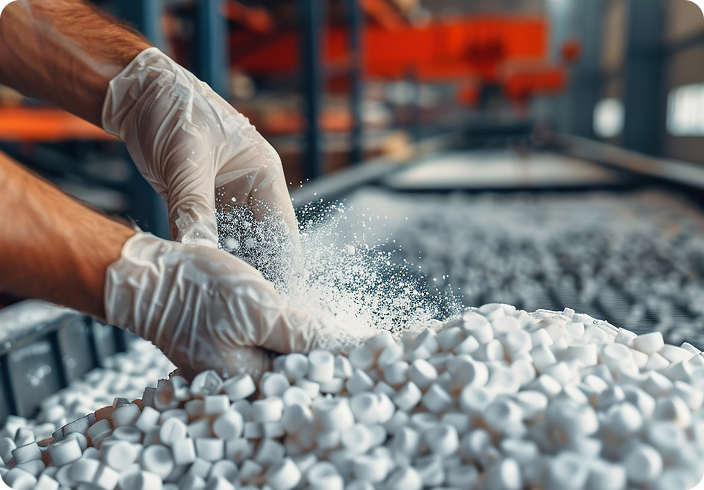
The collection of PCR PET relies heavily on consumer participation in recycling programs. Municipal curbside collections, deposit-return schemes, and dedicated recycling centers play pivotal roles in gathering post-consumer PET products. The effectiveness of these programs varies by region, influenced by public awareness, infrastructure, and governmental policies. Once collected, the materials undergo sorting to separate PET from other plastics and contaminants, followed by cleaning and processing into rPET pellets or flakes.
PIR PET Collection
PIR PET collection is typically more streamlined, as it occurs within the controlled environment of manufacturing facilities. Industrial waste is systematically gathered during production, often segregated at the source, reducing contamination risks. This internal recycling process allows manufacturers to efficiently reprocess waste materials, thereby reducing the need for virgin PET and minimizing overall production waste.
Quality & Contamination Considerations
PCR PET Quality Changes
The quality of PCR PET can be affected by several factors:
- Contamination: Post-consumer plastics may contain residues, labels, and other contaminants that complicate the recycling process.
- Material Degradation: Exposure to environmental elements and multiple recycling cycles can degrade the polymer chains, affecting the material’s integrity.
- Color Variability: The presence of colored PET products in the recycling stream can result in rPET with inconsistent hues, limiting its applicability in products requiring clear or specific color specifications.
Addressing these challenges often necessitates advanced sorting technologies, thorough cleaning processes, and, in some cases, blending with virgin PET to achieve the desired material properties.
PIR PET Quality Advantages
PIR PET generally offers higher and more consistent quality due to:
- Controlled Environment: Industrial recycling occurs within manufacturing facilities, where materials are less likely to be contaminated.
- Known Material Composition: The specific types of PET used in production are known, facilitating more efficient recycling and predictable material properties.
- Minimal Degradation: Since PIR materials have not undergone consumer use or environmental exposure, they typically retain their original polymer characteristics.
These factors make PIR PET particularly suitable for applications requiring high-quality material inputs.
Applications and Industry Usage
PCR PET Applications
The use of PCR PET is widespread across various industries:
- Packaging: Beverage bottles, food containers, and packaging films increasingly incorporate PCR PET to meet sustainability targets and consumer demand for eco-friendly products.
- Textiles: The fashion industry utilizes PCR PET fibers in clothing, accessories, and footwear, promoting recycled content in apparel.
- Consumer Goods: Products such as electronics casings, household items, and automotive components are manufactured using PCR PET to enhance their environmental profiles.
PIR PET Applications
PIR PET is predominantly used in:
- Industrial Packaging: Strapping, pallets, and bulk containers benefit from the consistent quality of PIR PET.
- Construction Materials: Insulation, roofing materials, and other building products incorporate PIR PET for its durability and performance characteristics.
- Automotive Parts: Interior components, trims, and under-the-hood applications utilize PIR PET due to its reliability and ease of processing.
The choice between PCR and PIR PET depends on specific application requirements, regulatory considerations, and sustainability objectives.

Regulatory and Certifcation Aspects
PCR PET Regulations
The use of PCR PET, especially in food-contact applications, is subject to stringent regulations to ensure consumer safety:
- Food Safety Standards: Regulatory bodies such as the U.S. Food and Drug Administration (FDA) and the European Food Safety Authority (EFSA) have established guidelines for the use of recycled plastics in food packaging.
- Certification Requirements: Manufacturers must obtain certifications demonstrating that their PCR PET meets safety and quality standards, often involving rigorous testing and validation processes.
PIR PET Regulations
While PIR PET is also subject to regulatory oversight, the requirements may differ:
- Industrial Standards: PIR PET used in non-food applications must comply with industry-specific standards related to performance, safety, and environmental impact.
- Traceability and Documentation: Maintaining records of material sources, processing methods, and quality control measures is essential to ensure compliance and facilitate audits.
Adherence to these regulations is crucial for manufacturers to maintain market access and consumer trust.
Environmental Impact and Sustainability
PCR PET Environmental Benefits
Utilizing PCR PET offers several environmental advantages:
- Waste Reduction: The use of PCR PET diverts post-consumer plastics from landfills and oceans, directly addressing plastic waste challenges. By creating a closed-loop recycling system, it helps minimize environmental pollution and resource depletion.
- Lower Carbon Footprint: Manufacturing PCR PET typically requires less energy compared to producing virgin PET. This translates into a significant reduction in greenhouse gas emissions, contributing to efforts to combat climate change.
- Circular Economy Promotion: PCR PET supports the principles of a circular economy by enabling the reuse of materials, reducing the reliance on virgin resources, and promoting sustainable production and consumption patterns.
PIR PET Environmental Benefits
- Industrial Waste Minimization: By recycling production waste, PIR PET prevents valuable materials from being discarded. This reduces the overall volume of industrial waste and contributes to more sustainable manufacturing processes.
- Resource Efficiency: PIR PET recycling minimizes the need for virgin materials, conserving raw resources such as petroleum used in PET production. This aligns with industry goals of reducing resource extraction and dependency.
- Energy Savings: Since PIR PET is recycled within manufacturing facilities, it often requires fewer processing steps and less energy compared to PCR PET, further reducing the environmental footprint.
Challenges and Limitations
PCR PET Challenges
While PCR PET offers significant environmental benefits, its adoption is not without challenges:
- Collection Infrastructure: Effective recycling programs are essential for collecting post-consumer plastics. In regions with inadequate recycling infrastructure, the supply of PCR PET can be limited.
- Contamination: The presence of non-PET materials, food residues, and other contaminants in the recycling stream complicates the processing of PCR PET. Advanced sorting and cleaning technologies are required to address this issue.
- Cost Factors: Producing high-quality PCR PET can be more expensive than using virgin PET, particularly when additional processing steps are required to meet quality and safety standards.
PIR PET Challenges
PIR PET faces its own set of limitations:
- Scope of Application: Since PIR PET is derived from industrial waste, its availability is inherently linked to manufacturing activities. This limits its applicability compared to PCR PET, which draws from a broader consumer base.
- Perceived Sustainability: While PIR PET is an important part of reducing industrial waste, it does not address the problem of post-consumer plastic pollution. As such, its use may not align with consumer expectations of addressing the broader plastic waste crisis.
- Regulatory Restrictions: PIR PET may face limitations in certain applications, particularly in sectors with stringent material requirements, such as food packaging.
Market Trends and Industry Adoption
The growing emphasis on sustainability has driven increased demand for both PCR and PIR PET across industries.
- Companies are making strategic shifts to incorporate these materials into their products and align with evolving consumer preferences and regulatory requirements. Packaging Sector: Beverage and food packaging companies are leading the charge in adopting PCR PET, with many committing to ambitious recycled content targets. The integration of PIR PET is also gaining traction in industrial packaging applications.
- Fashion and Textiles: The fashion industry has embraced PCR PET as a sustainable alternative for synthetic fibers, particularly in activewear, outdoor clothing, and accessories. This trend reflects the sector’s broader focus on reducing environmental impact.
- Construction and Automotive: PIR PET is increasingly used in construction materials and automotive components, where its consistent quality and durability make it a preferred choice.
- Corporate Sustainability Goals: Many companies have set goals to increase the use of recycled materials in their products. These commitments are often part of broader corporate sustainability strategies aimed at reducing environmental footprints and enhancing brand reputation.
Consumer Awareness and Expectations
Consumer demand for sustainable products has played a significant role in driving the adoption of PCR and PIR PET. As awareness of plastic pollution grows, consumers are increasingly prioritizing products made from recycled materials. This shift in consumer behavior has prompted businesses to enhance transparency and communicate the environmental benefits of using recycled plastics.
Educational campaigns and clear labeling can further empower consumers to make informed purchasing decisions, supporting the transition to a circular economy. By highlighting the use of PCR or PIR PET in their products, companies can build trust and loyalty among environmentally conscious consumers.

Future Outlook
The use of PCR and PIR PET is poised to grow as industries and governments intensify efforts to address plastic waste and promote sustainability. Key developments expected in the future include:
- Advancements in Recycling Technology: Innovations in chemical and mechanical recycling will enhance the quality and efficiency of processing PCR and PIR PET. This will help overcome challenges related to contamination and material degradation.
- Stronger Regulatory Support: Governments are likely to introduce stricter mandates on recycled content in products, creating additional demand for PCR and PIR PET. Incentives such as subsidies and tax benefits may further encourage adoption.
- Global Expansion: While Europe and North America currently lead in the adoption of recycled plastics, other regions are expected to follow suit as awareness of plastic pollution grows. International collaborations and knowledge-sharing will be critical to scaling up recycling infrastructure globally.
- Integration into Circular Economies: The role of PCR and PIR PET in circular economy initiatives will continue to expand, with industries prioritizing the reuse and recycling of materials to achieve long-term sustainability goals.
Conclusion
The distinction between PCR and PIR PET highlights the diverse pathways through which recycled plastics contribute to sustainability. While both types of rPET play crucial roles in reducing waste and conserving resources, their unique characteristics and applications make them complementary solutions in the broader effort to address plastic pollution.
As industries and governments work together to advance recycling systems and promote the use of recycled materials, PCR and PIR PET will remain integral to achieving a circular economy. By embracing these materials and overcoming associated challenges, the plastics industry can pave the way for a more sustainable and responsible future.
This comprehensive understanding of PCR and PIR PET not only informs material selection and policy decisions but also underscores the importance of collaboration and innovation in building a more sustainable world.
Enquire Now
Click to view our products, or access our catalogues.
To enquire about our bottles and jars with closures and dispensers, please do not hesitate to contact us .
To keep up to date with EMBACO news, follow us on LinkedIn and Instagram.
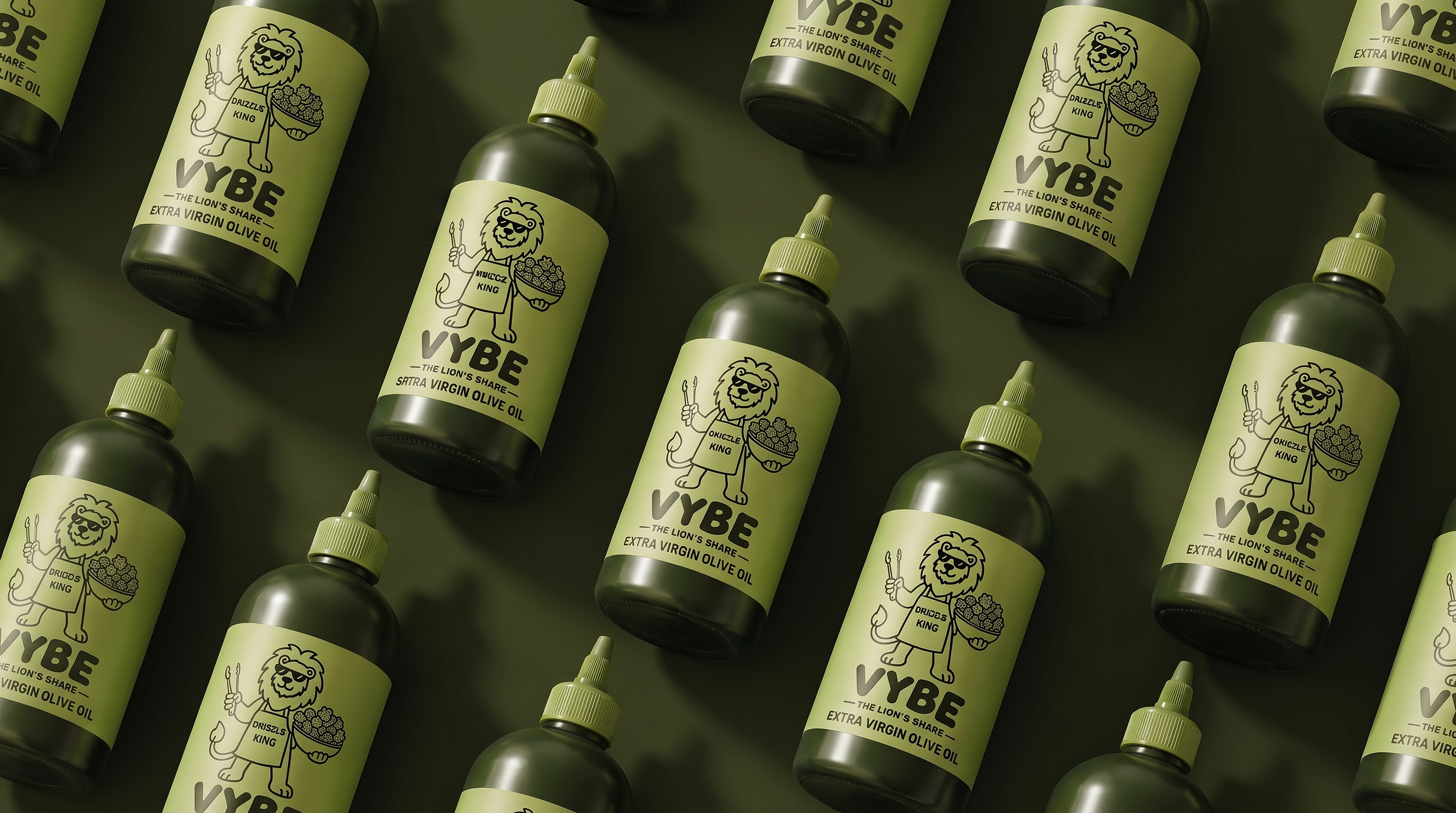
Ship More Product, Carry Less Packaging
Discover how switching from glass to PET or rPET can reduce packaging weight, lower EPR costs and improve pallet efficiency, while preserving product performance, protection and shelf presence.
Read More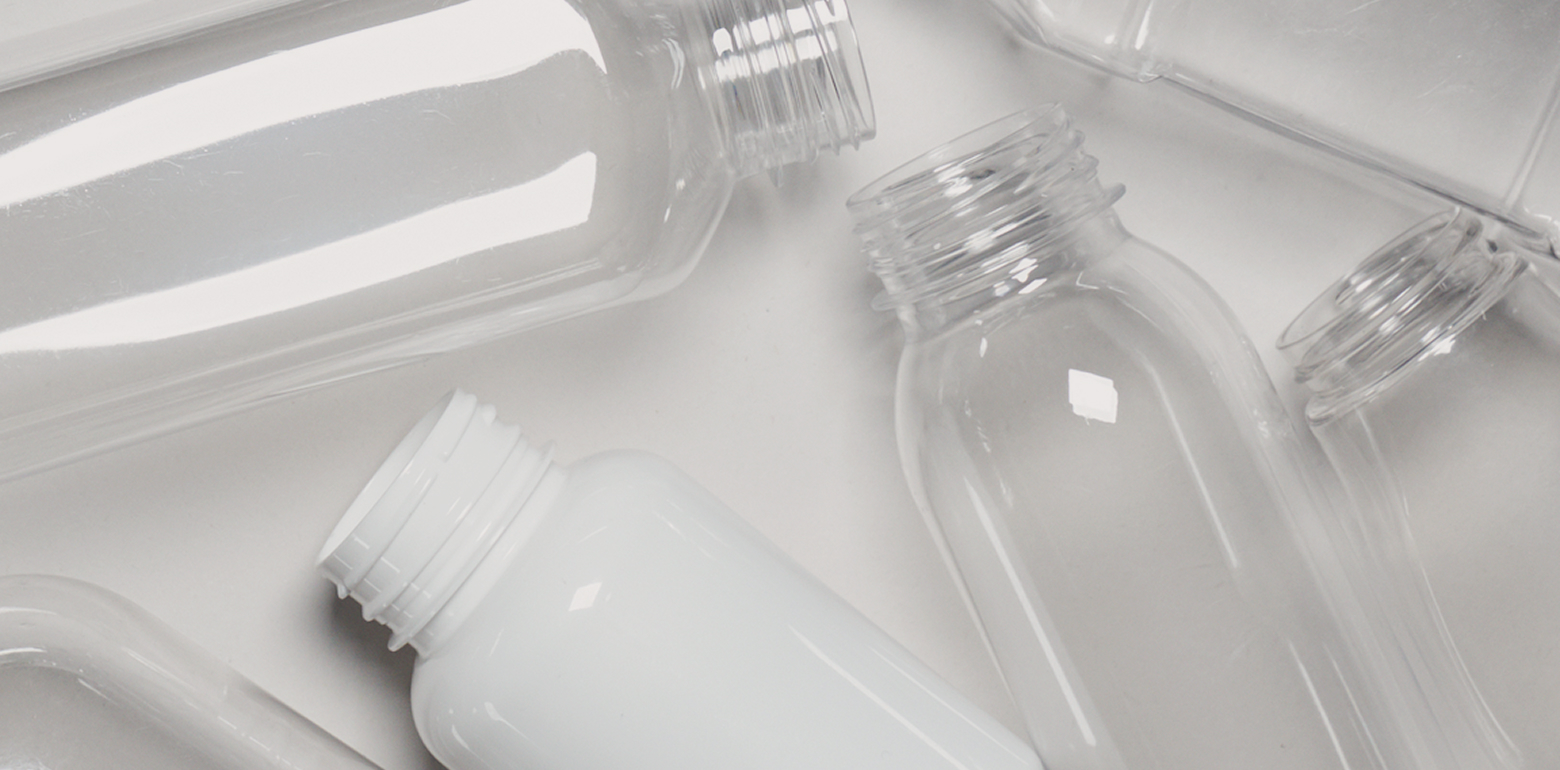
From Glass to PET
Across Europe, brands are swapping heavy glass for smart, durable PET packaging. Discover the shift redefining convenience, sustainability, and design across multiple industries.
Read More
Packaging Innovations 2027 Birmingham
Where: Packaging Innovations, Birmingham, UK
When: February 24th and 25th, 2027
Stand No: N74
Read More