
A Milestone in Sustainable Beverage Packaging
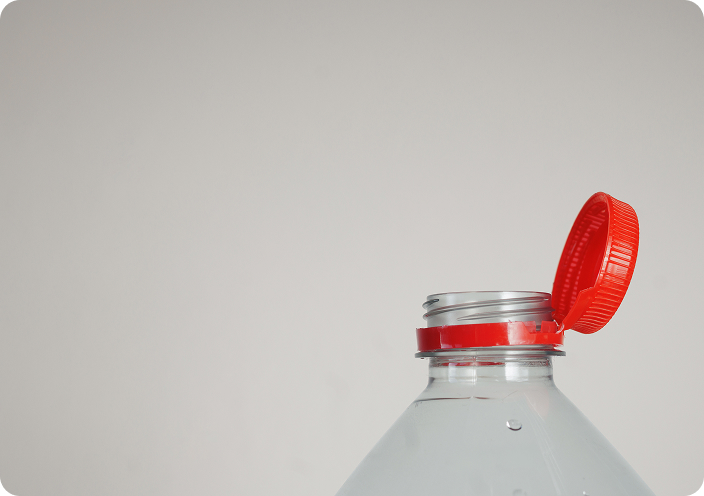
The European Union (EU) continues to push forward with stronger measures to reduce plastic pollution by requiring tethered caps on single-use beverage containers. Since July 2024, all plastic beverage bottles up to three liters must include caps that stay attached to the bottle after opening. This requirement forms a key part of the Single-Use Plastics Directive (SUPD) and helps reduce litter while increasing recycling efficiency. As a result, the entire industry has adjusted its designs, improved production processes, and strengthened collaboration across supply chains. Although the transition introduced new challenges, it also created clear opportunities for innovation and more responsible packaging development.
This directive highlights the growing global focus on sustainability in packaging, demonstrating how regulatory frameworks can drive change. With plastic pollution continuing to threaten ecosystems and human health, the tethered cap regulation is a step toward a cleaner and more sustainable future.
The Problem of Plastic Pollution
Plastic waste, particularly from single-use items, has become a pressing environmental issue. Beverage caps and lids are among the most common types of litter found on beaches and in waterways. These small items often escape proper disposal, contributing to marine pollution and endangering wildlife. When caps are separated from their containers, they are less likely to be recycled, compounding the problem.
Recognizing this, the EU identified caps and closures as priority items for intervention. The SUPD was designed to target some of the most problematic plastic products, including single-use beverage packaging. By ensuring that caps remain attached to bottles, the regulation seeks to prevent them from being discarded separately and to simplify recycling processes.
Origins of the Tethered Cap Legislation
The tethered cap requirement was introduced as part of the broader SUPD, adopted by the EU in 2019. The directive addresses a range of single-use plastic items, with the goal of reducing their impact on the environment. Article 6 of the directive specifically targets beverage containers, mandating that plastic caps and lids remain attached throughout the product’s lifecycle.
The regulation also aligns with the EU’s Circular Economy Action Plan, which promotes sustainable production and consumption practices. By keeping caps and containers together, the directive encourages the recovery and recycling of materials, supporting the transition to a circular economy.
Industry Challenges and Initial Resistance
The introduction of the tethered cap legislation was met with considerable resistance from the beverage and packaging industries. Companies raised concerns about the financial and logistical challenges associated with redesigning caps, retooling manufacturing lines, and meeting the new standards within the designated timeframe. The industry argued that such changes would require significant investments in new molds, equipment, and production processes.
Critics also pointed out that focusing on improving recycling infrastructure might be a more effective way to address plastic waste. They expressed concerns about the potential environmental impact of implementing tethered caps, citing studies that highlighted the energy and resources required for production upgrades.
Despite these objections, the EU remained committed to the regulation, emphasizing its long-term benefits for reducing plastic pollution and improving recycling systems.
Technical Standards and Design Requirements To support the implementation of tethered caps, the European Committee for Standardization (CEN) was tasked with developing harmonized standards. Published in May 2023, these standards outline the technical requirements for tethered caps to ensure they are safe, durable, and user-friendly.
Key criteria for tethered cap designs include:
- Compatibility: Caps must be compatible with existing bottle designs, openings, and thread types to minimize disruptions to production.
- Durability: Caps should remain securely attached to the container throughout its lifecycle, including during recycling.
- Ease of Use: The design must not compromise consumer convenience or comfort.
- Recyclability: Caps and containers should be made from the same material to facilitate recycling.
- Production Efficiency: Designs should have minimal impact on existing manufacturing lines and maintain production output.
- Strength: The connection between the cap and container must withstand a tensile force of at least 25 Newtons.
These standards ensure that tethered caps meet environmental and functional objectives while maintaining consumer satisfaction.

Innovative Solutions in Tethered Cap Design
The legislation has spurred significant innovation in the packaging industry. Manufacturers have developed various tethered cap designs to comply with the new standards. Two primary approaches have emerged:
- Hinged Tops: Caps with integrated hinges that allow them to remain attached while being opened and closed.
- Lasso Closures: Designs that use a flexible tether to connect the cap to the bottle, providing greater flexibility and compatibility with existing equipment.
These solutions reflect the industry’s ability to adapt to regulatory changes while prioritizing functionality and cost-effectiveness.

Impact on the Supply Chain
The transition to tethered caps has had wide-ranging implications for the packaging supply chain. Beverage producers, packaging manufacturers, and machinery suppliers have had to collaborate closely to develop and implement compliant designs. This has required investments in new molds, tooling, and production processes, as well as updates to existing equipment.
Despite the initial challenges, the industry has largely embraced the shift, recognizing the potential for long-term benefits. By aligning with sustainability goals, companies are positioning themselves as leaders in the transition to more responsible packaging practices.
Consumer Benefits and Environmental Impact
For consumers, the introduction of tethered caps is intended to be seamless. The designs prioritize ease of use, ensuring that the changes do not negatively impact the user experience. At the same time, the attached caps make it easier for consumers to dispose of bottles and caps together, improving the likelihood that both will be recycled.
From an environmental perspective, the benefits are clear. By keeping caps and containers together, the legislation reduces the likelihood of caps becoming litter. This helps to protect marine ecosystems and supports efforts to reduce plastic pollution. Additionally, the regulation encourages the development of more recyclable packaging materials, further contributing to sustainability goals.
Expanding the Tethered Cap Initiative Globally
While the tethered cap regulation is currently limited to the EU, its impact is expected to extend beyond Europe. Other regions are exploring similar measures to address plastic waste and promote sustainable packaging practices. Countries with progressive environmental policies, such as those focusing on recycled content requirements or banning single-use plastics, are likely to adopt similar standards.
The EU’s leadership in this area sets a precedent for other regions, demonstrating how regulatory frameworks can drive innovation and sustainability in the packaging industry.

A Vision for the Future
The tethered cap regulation represents a significant step forward in the global effort to reduce plastic waste. By addressing one of the most common sources of plastic litter, the directive underscores the importance of collective action in tackling environmental challenges.
As the industry continues to adapt, the focus will remain on balancing compliance with innovation. The development of tethered caps demonstrates how regulatory pressure can lead to meaningful change, fostering collaboration and driving progress toward a circular economy.
Looking ahead, the success of the tethered cap initiative may inspire further efforts to improve packaging sustainability. By building on this foundation, the industry can continue to reduce its environmental footprint and contribute to a cleaner, healthier planet.
Conclusion
The EU’s tethered cap legislation is more than just a regulatory milestone – it is a symbol of progress in the fight against plastic pollution. Despite the challenges of implementation, the regulation has catalyzed innovation and collaboration within the packaging industry. By ensuring that caps remain attached to their containers, the directive addresses a critical source of plastic waste while promoting recycling and sustainability.
As this initiative gains traction globally, it highlights the potential for regulatory frameworks to drive positive change. By embracing these challenges and continuing to innovate, the packaging industry has the opportunity to lead the way in creating a more sustainable future for all.
Enquire Now
Click to view our products, or access our catalogue.
To enquire about our food-safe rPET bottles and jars with closures and dispensers, contact us – please note our MOQs.
To keep up to date with EMBACO news, follow us on Linkedin or Instagram – we will be releasing more insights here.

Ship More Product, Carry Less Packaging
Discover how switching from glass to PET or rPET can reduce packaging weight, lower EPR costs and improve pallet efficiency, while preserving product performance, protection and shelf presence.
Read More
From Glass to PET
Across Europe, brands are swapping heavy glass for smart, durable PET packaging. Discover the shift redefining convenience, sustainability, and design across multiple industries.
Read More
Packaging Innovations 2027 Birmingham
Where: Packaging Innovations, Birmingham, UK
When: February 24th and 25th, 2027
Stand No: N74
Read More